 Easy read and translate



Thumb osteoarthritis
Understanding thumb osteoarthritis
Carpometacarpal osteoarthritis is a condition where there are changes to the joint where the thumb attaches into your hand, which often occur with age. These changes can include a thinning of the cartilage and roughening of the bones. Sometimes this will be summarised as "wear and tear" of the joint, but it can be better understood as "wear and repair" as some of the changes that occur are part of your bodies healing response.
Causes of thumb osteoarthritis
It is unclear what exactly causes osteoarthritis to start in joints. In the majority of cases it is unlikely that this occurs due to how you have used the joint. It is believed that there could be a genetic cause of arthritis for many people, however, this has not yet been proven.
Because osteoarthritis causes pain in the joint it will often cause a change in how the muscles that surround the joint function. If the muscles surrounding the joint weaken it will cause excess force to be put through the joint structure which can cause further changes.
Treatment options for thumb osteoarthritis
The first option to try is to complete the home exercise program and advice on this page. Achieving more movement and re-strengthening around the joint can often cause a marked improvement in your symptoms.
Non-steroid anti-inflammatory gels (a topical NSAIDs) can be used to relive pain and reduce inflammation.
Thumb splints and braces can provide relief whilst doing certain activities. These can be found online by searching "thumb support splint" and are often available in pharmacies also.
Make sure that you are not wearing the splint all day, as this can cause the thumb to lose some of its natural strength.
Changing how you grip small items can also help to protect the joint.Try to avoid pinching items between your thumb and index finger. Grasping items in this way puts the most stress through your thumb joint which can cause pain.
Instead use a "tripod" type grip grasping with the thumb, index and middle finger.
You can also think about ways you can change your activities so that you are putting less strain through the thumb, such as:
- supporting a mug of tea with two hands
- when carrying large items, "hug" them close to your body
- think "shift not lift", for example you can slide a jug of water to the kettle and only use as much as you need rather than fill the kettle at the tap
Thumb joint exercises
This guidance has been produced by the Dynamic Health physiotherapy service. It offers simple measures to help you manage your wrist problem safely. Often the right advice and exercises are all you need to improve the problem.
How much exercise should I do?
Exercise every other day
Allowing enough rest is important to let soft tissues recover and develop.
Choose 3 or 4 exercises
Choose exercises that are challenging but manageable.
Repeat the exercise
Perform 3 repetitions of each exercise.

Rest
Rest for up to 1 to 2 minutes between each set.

Once an exercise is easy, progress it
Increase the number of repetitions (aim for 10). Or hold the positions for longer or move to a more challenging exercise.
How much pain is too much pain?
Before exercising
Before exercising, rate your pain at the moment on a scale of 0 to 10, where 0 is no pain and 10 is the worst pain you can imagine.
A maximum pain level
A maximum pain level of 4/10 whilst exercising is fine as long as it eases within 45 minutes of the session and does not interfere with sleep or activities the next day.
If your pain increases
If your pain increases beyond this, simplify the exercise by reducing the range of movement or number of repetitions, or try an easier exercise.

Exercises to increase movement
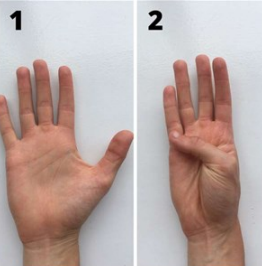
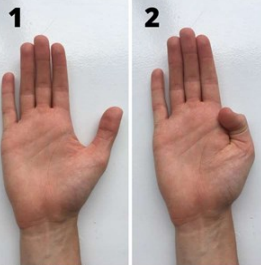
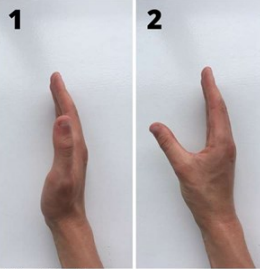
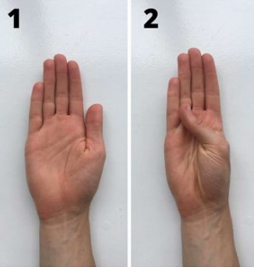
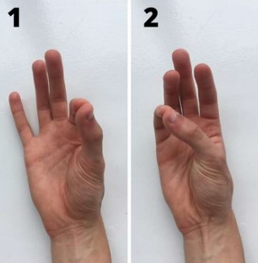
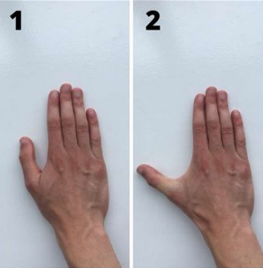
Exercises to increase strength
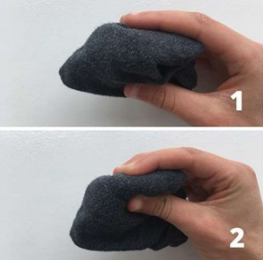
Perform these strengthening exercises 2 or 3 times a week. You need at least 48 hours rest after each time that you do them.
Complete 10 to 15 repetitions of each exercise.
These exercises should be pain free.
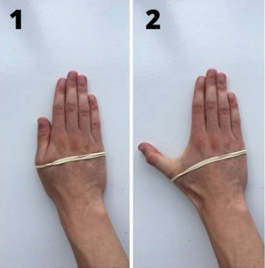
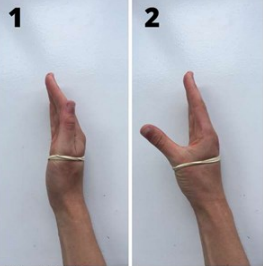

Need more help?
Consider self referring using the link below
If you have a new injury or problem, please look at the self help information in our advice pages. We will often complete the same exercises and share information in clinic appointments.
If you still need some more help you can self refer into our service. Please note that the NHS is currently experiencing longer than normal waits, for more information visit our waiting times page.
