 Easy read and translate



Your pelvic floor
The role of the pelvic floor
The pelvic floor muscles form a bowl underneath your pelvis to provide support and control for your bladder and bowel. The muscles attach to your pubic bone at the front, then span backwards to your coccyx (tailbone) and outwards towards your sitting bones. The opening of your bladder, vagina and your bowel all pass through the pelvic floor.
The pelvic floor supports the pelvic organs and abdominal contents especially when standing or when there is an increase in pressure in your abdomen with activities such as lifting, bending or straining. The muscles also contribute to sexual satisfaction and sensation.
The muscles help to keep the bladder and bowel openings closed to prevent unwanted leakage. The muscles need to work gently most of the time and also be able to work harder when your intra-abdominal pressure increases i.e. when you cough, sneeze, lift or exert yourself. They also help to control wind and to hold on to your bowels.
Tour of the pelvic floor
Watch the video for information about your pelvic floor.
Did you know...?
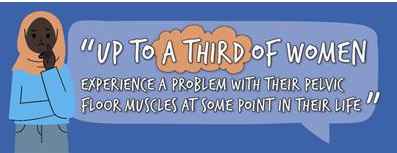
Although common, it's important to know that these symptoms should only happen for a short time, be mild and should improve quickly.
Does your pelvic floor need attention?
The following are signs that your pelvic floor needs attention:
- Urinary leaking with activities such as coughing, laughing, sneezing, lifting and jumping.
- A sudden need to rush to the toilet for a wee or leaking urine on the way to the toilet.
- A need to go to the toilet for a wee more frequently during the day or night.
- Leakage of poo or difficulty controlling wind.
- A sudden need to rush to the toilet for a poo or difficulty cleaning after a poo.
- A feeling of heaviness, dragging or something ‘coming down’ inside your vagina.
- A reduced or lack of sensation during intercourse.
- Discomfort during sexual intercourse.
Need more help?
Consider self referring using the link below:
If you have a new injury or problem, please look at the self help information in our advice pages. We will often complete the same exercises and share information in clinic appointments.
If you still need some more help you can self refer into our service. Please note that the NHS is currently experiencing longer than normal waits, for more information visit our waiting times page.
