 Easy read and translate



Pelvic pain conditions
About vulva pain conditions
Vulvodynia and Vestibulodynia are both conditions where pain is experienced in the female genital area, the vulva. This pain is experienced when other possible causes of pain such as thrush or skin conditions have been excluded. Sometimes the symptoms have been present for a very long time before a diagnosis is made.
The sensation of burning and soreness can be continuous, or can be provoked by gentle light touch. Pain and hypersensitivity can be felt in different areas and are identified by their location: vulvodynia being pain in the vulva area, and vestibulodynia describes pain at the entrance to the vagina known as the vestibule (see diagram below).
If the pain arises from the entrance to the vagina, it makes sexual intercourse or inserting tampons painful and often impossible. There is sometimes no obvious visible cause for the pain and the skin can often look completely normal.
What causes the pain?
The exact cause of these conditions is not well understood. It is thought that nerve endings in the vulval area appear to become hypervigilant, meaning pain is experienced instead of normal sensation. These conditions are not contagious or related to personal hygiene.
Naturally, when pain is present, the muscles around the area try to protect it by tightening up and this is known as vaginismus. There can be several factors that contribute to the symptoms.
Can it be cured?
These conditions can be managed with a combination of treatments, and most patients have a good response over time.
Management options
There are a variety of treatment options that can be tried. The response varies between individuals, so it is worth trying different things to see which will help you and often it is a combination that seems to be useful.


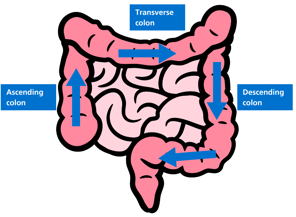 Start with a stroking technique; this can be gentle or firm and should be slow. Use your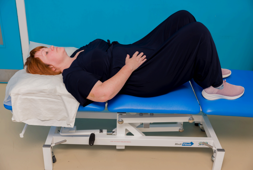

Cervical smear tests and pelvic plain
Watch the video below to understand how to make a cervical smear test as comfortable as possible.
Need more help?
Consider self referring using the link below:
If you have a new injury or problem, please look at the self help information in our advice pages. We will often complete the same exercises and share information in clinic appointments.
If you still need some more help you can self refer into our service. Please note that the NHS is currently experiencing longer than normal waits, for more information visit our waiting times page.
