 Easy read and translate



Cervical myelopathy and radiculopathy
Understanding cervical myelopathy
It is common as you get older to have age related changes in your neck and for most people this does not cause any problems. However, in a small percentage of people this progresses and causes pressure on the spinal cord, known as degenerative cervical myelopathy.
Other forms of cervical myelopathy may occur in adults at any age, although this occurs less frequently than the degenerative type.
You need to be aware of the symptoms of this condition so that you can seek timely medical assessment if they were to occur. If the condition was to be left untreated it could cause permanent nerve damage with lifelong symptoms as listed below and in some cases
paralysis.
Symptoms of cervical myelopathy may include:
neck pain and stiffness with pain in arms and/or legs
arms and/or legs becoming weak, numb or tingly
loss of control for fine movement of the hands such as doing up buttons or picking up coins
imbalance or unsteadiness on walking
changes to bladder function such as urgency to pass urine, difficulty passing urine or incontinence
changes to bowel function such as incontinence
If you notice you have gradually developed any of these symptoms, please speak with your GP or physiotherapist as a priority.
If you develop rapid deterioration of the above symptoms seek emergency medical attention.
Understanding cervical radiculopathy
Cervical radiculopathy is a clinical condition associated with pain, numbness and or muscle weaknesses of the upper limbs due to a compression or irritation of the nerves coming out from your neck.
In most cases it will improve with conservative treatment, including physiotherapy and appropriate exercises are essential. Neuropathic medication which could be prescribed by your GP may also help.
Neck exercises
This guidance has been produced by the Dynamic Health physiotherapy service. It offers simple measures to help you manage your neck problem safely. Often the right advice and exercises are all you need to improve the problem.
This information has been made available to your GP, who may ask you to try the advice and exercises prior to consulting a physiotherapist.
How much exercise should I do?
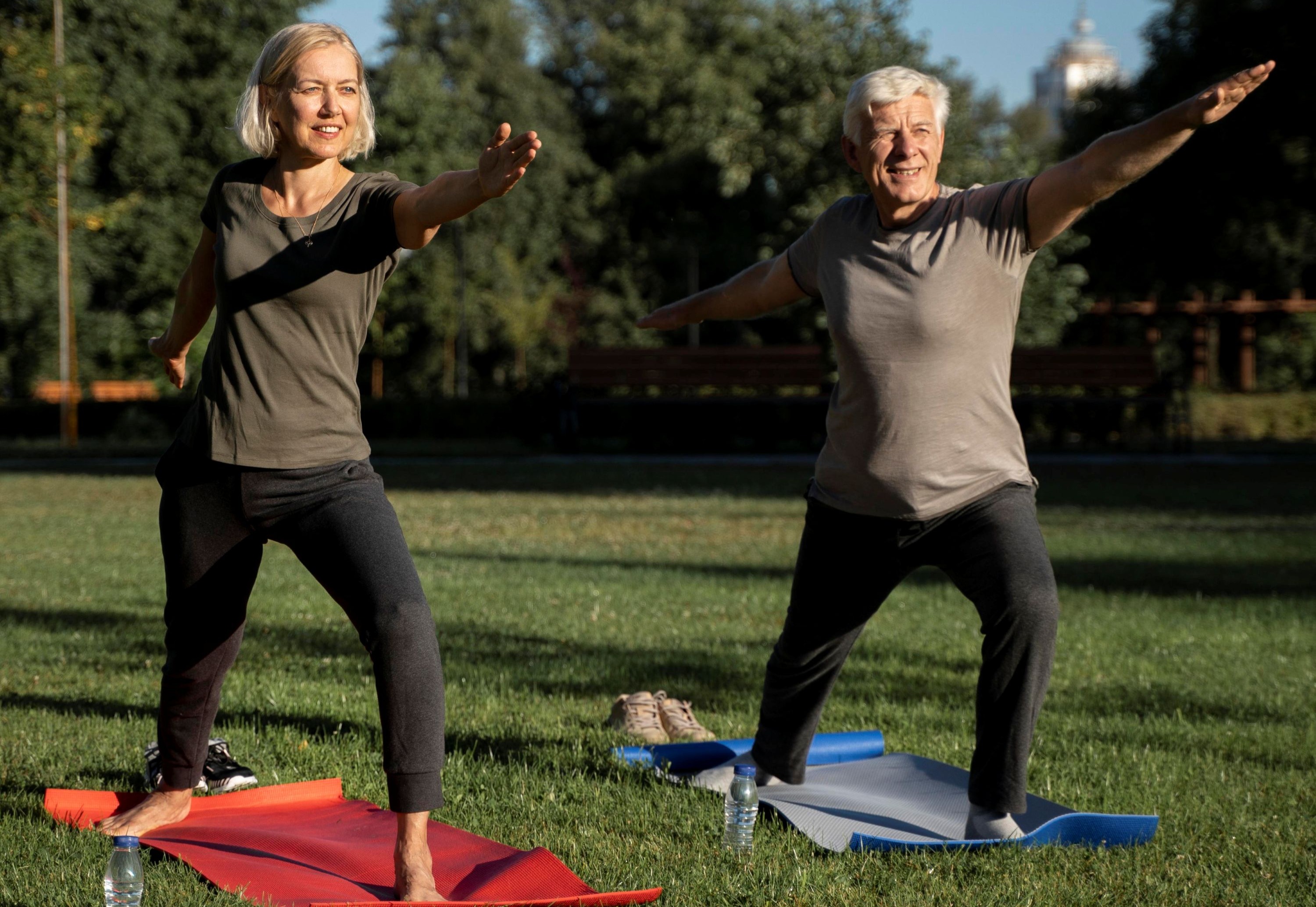
Exercise every other day
Allowing enough rest is important to let soft tissues recover and develop.

Choose 3 or 4 exercises
Choose exercises that are challenging but manageable.

Repeat the exercise
Perform 5 to 10 repetitions of each exercise, 3 to 5 times a day.

Rest
Rest for up to 1 to 2 minutes between each set.

Once an exercise is easy, progress it
Increase the number of repetitions (you could aim to increase it by 2 to 5 repetitions every 2 weeks). Or hold the positions for longer or move to a more challenging exercise.
How much pain is too much pain?
Before exercising
Before exercising, rate your pain at the moment on a scale of 0 to 10, where 0 is no pain and 10 is the worst pain you can imagine.
A maximum pain level
A maximum pain level of 4/10 whilst exercising is fine as long as it eases within 45 minutes of the session and does not interfere with sleep or activities the next day.
If your pain increases
If your pain increases beyond this, simplify the exercise by reducing the range of movement or number of repetitions, or try an easier exercise.

Level 1 exercises



Level 2 exercises



Need more help?
Consider self referring using the link below
If you have a new injury or problem, please look at the self help information in our advice pages. We will often complete the same exercises and share information in clinic appointments.
If you still need some more help you can self refer into our service. Please note that the NHS is currently experiencing longer than normal waits, for more information visit our waiting times page.
