 Easy read and translate



Neck pain
Understanding neck pain
Neck pain can occur from the top of your shoulders to the bottom of your head and is commonly experienced by most people, at some point in their life.
Common causes of neck pain include:
- sitting at an awkward angle watching TV, reading a book or even talking on the phone
- sitting at a desk in an uncomfortable posture
- sleeping with a pillow that is too high or too flat or sleeping on your stomach
- muscle tension as the result of worry or stress
- overdoing activities such as painting or gardening
In most cases, the pain will often last less than a few weeks but can be very debilitating, affecting your everyday activities.
It is important to see your GP if:
your neck pain came on following a fall or trauma
you have pain, tingling, numbness or weakness in your arms or legs
you have dizziness, have had blackouts, double vision, slurred speech or problems swallowing following the onset of neck pain
you suddenly develop stiffness in the neck along with stiffness in both shoulders
About the neck
The neck, also referred to as the cervical spine region, consists of seven vertebrae bones (C1-C7). Between the vertebrae are round rubbery pads called discs that act like shock absorbers throughout the spinal column to cushion the bones as the body moves. Bands of tissue known as ligaments hold the vertebrae in place, and tendons attach the muscles to the spinal column. The spine also provides protection to important neurological structures such as the spinal cord, which is contained within the centre of the spine called the spinal canal.
Neck pain or a stiff neck is a common problem that will affect almost everybody at some stage in their life. Around 50% of people with neck pain will experience a recurrence of their problem. Most neck pain is "mechanical" (the pain originates from the joints, bones or soft tissues in and around the spine).
Symptoms usually get better after a few days or weeks with simple self help treatments, and will not cause any long-term damage. It’s rarely a sign of anything serious.

Common causes of neck pain
Neck exercises
This guidance has been produced by the Dynamic Health physiotherapy service. It offers simple measures to help you manage your neck problem safely. Often the right advice and exercises are all you need to improve the problem.
This information has been made available to your GP, who may ask you to try the advice and exercises prior to consulting a physiotherapist.
Seek urgent medical advice if your neck pain started suddenly after a recent trauma, or if you have any of the following symptoms:
arms and/or legs are becoming progressively weaker or losing co-ordination
progressive worsening of balance and unsteadiness on walking
new recent changes to bladder or bowel function such as urgency to pass urine, difficulty passing urine or faeces or lack of control leading to incontinence.
any rapid muscle wastage in the upper body
Exercise aims
The aim of exercise is to get your neck moving in a normal way and improve your range of motion. It can also prevent you developing secondary stiffness and weakness around the area, which can arise from avoidance of movement.
Regularly changing position and posture can prevent pain resulting from prolonged stationary positions. Practicing the exercises little and often throughout the day can help.
It is also important to find general exercises you like doing to keep your neck moving and which help to improve your general fitness. For example, walking, swimming, exercise classes and pilates.
Ache, discomfort and a feeling of tightness are all expected during exercises and can even continue after you have finished the exercises for a short period of time. The exercises should not produce any severe pain or make your neck pain worse.
How much exercise should I do?
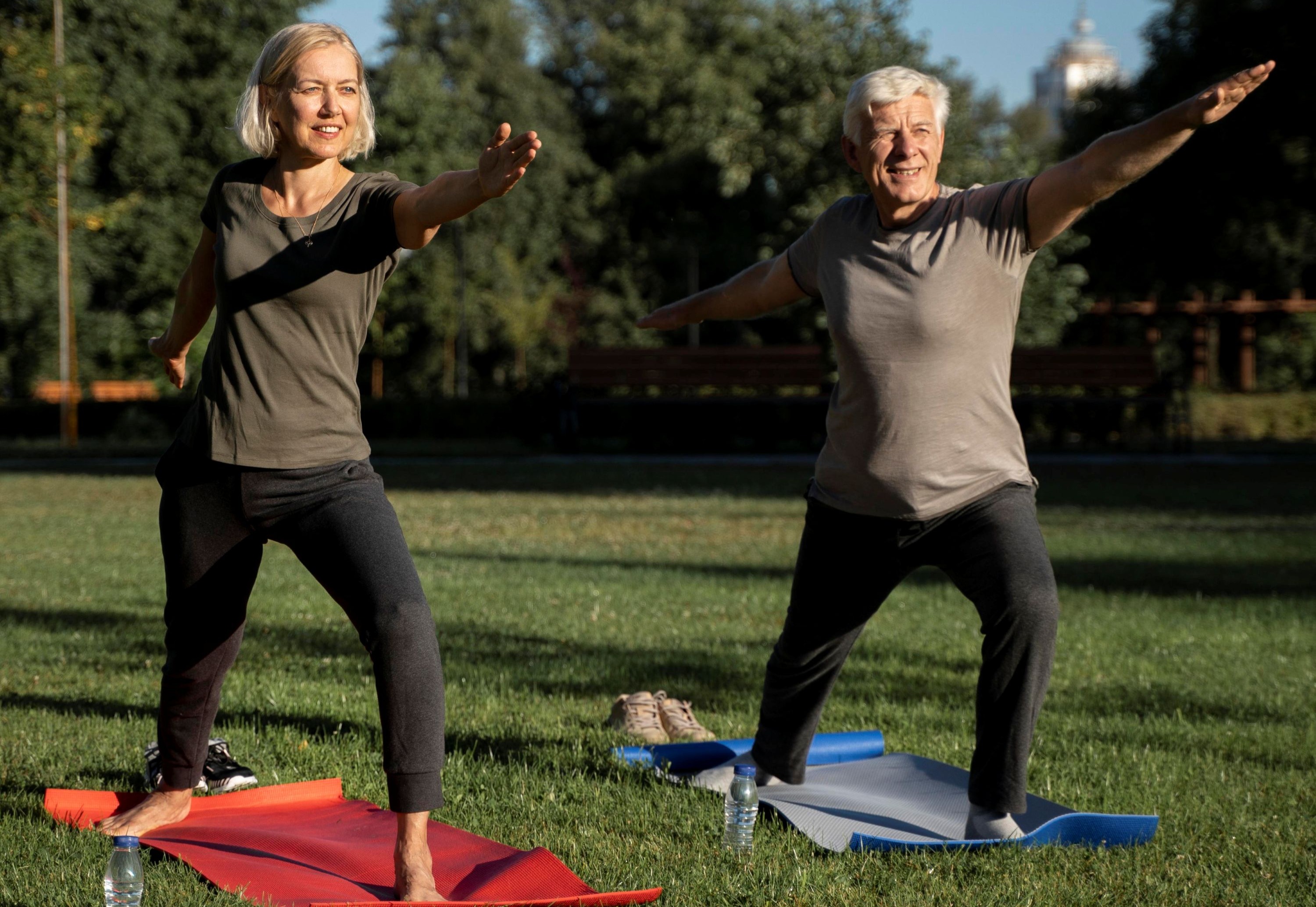
Exercise every other day
Allowing enough rest is important to let soft tissues recover and develop.

Choose 3 or 4 exercises
Choose exercises that are challenging but manageable.
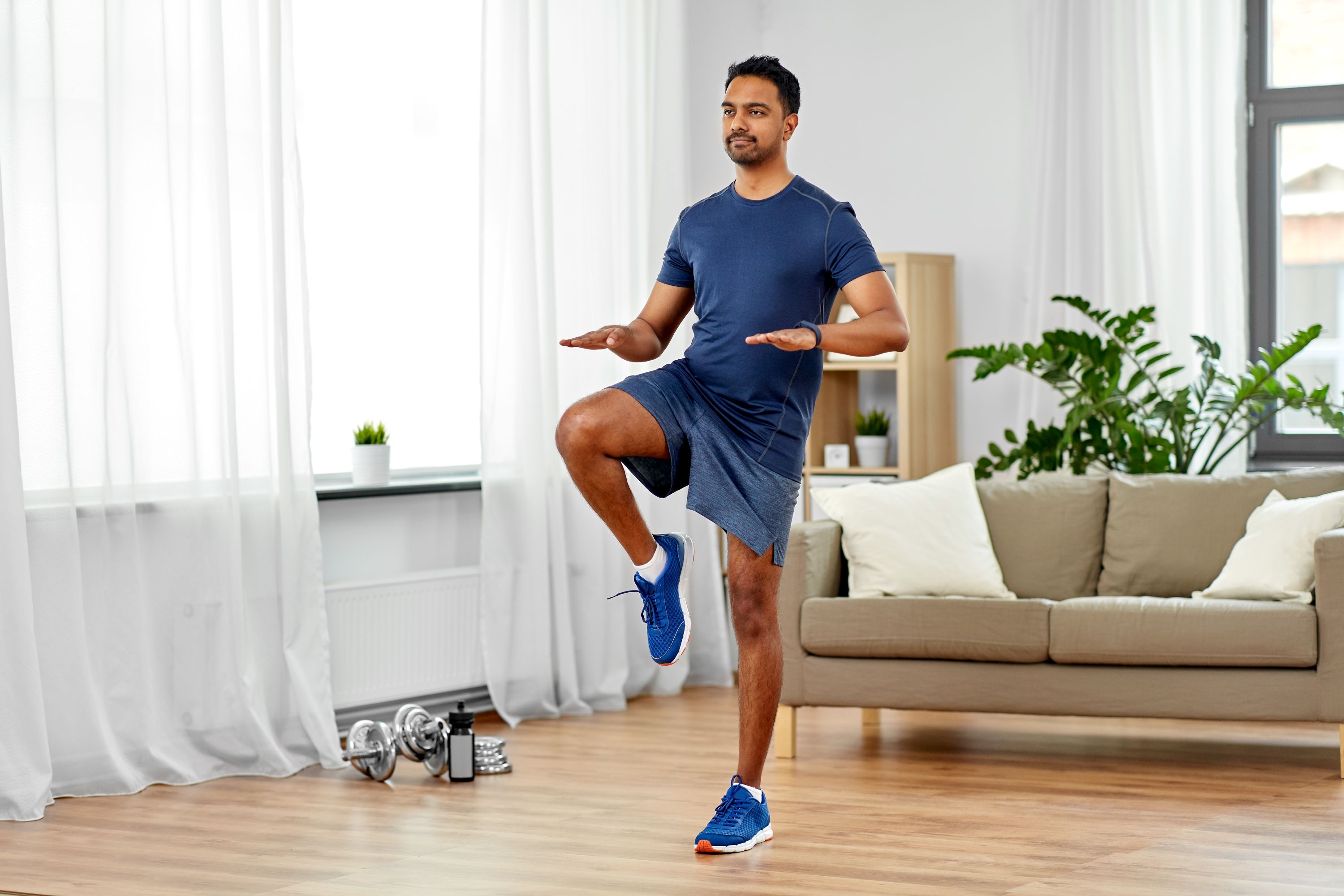
Repeat the exercise
Perform 5 to 10 repetitions of each exercise, 3 to 5 times a day.

Rest
Rest for up to 1 to 2 minutes between each set.

Once an exercise is easy, progress it
Increase the number of repetitions (you could aim to increase it by 2 to 5 repetitions every 2 weeks). Or hold the positions for longer or move to a more challenging exercise.
How much pain is too much pain?
Before exercising
Before exercising, rate your pain at the moment on a scale of 0 to 10, where 0 is no pain and 10 is the worst pain you can imagine.
A maximum pain level
A maximum pain level of 4/10 whilst exercising is fine as long as it eases within 45 minutes of the session and does not interfere with sleep or activities the next day.
If your pain increases
If your pain increases beyond this, simplify the exercise by reducing the range of movement or number of repetitions, or try an easier exercise.

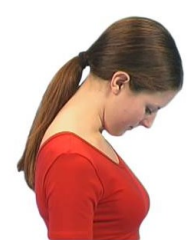
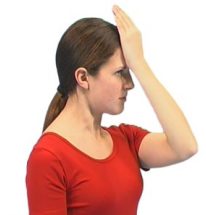
Range of movement exercises



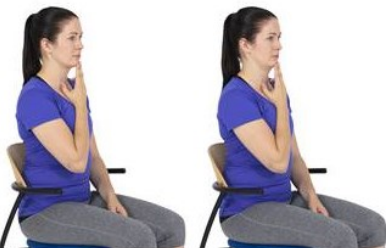
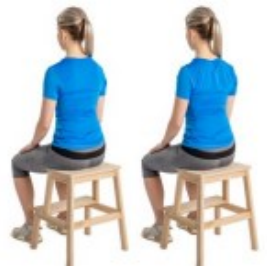
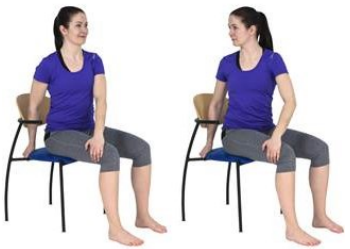
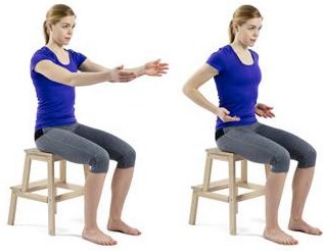
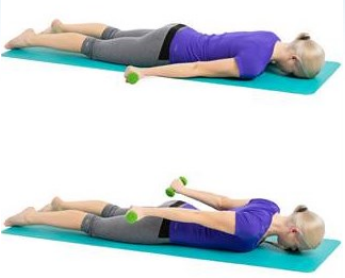
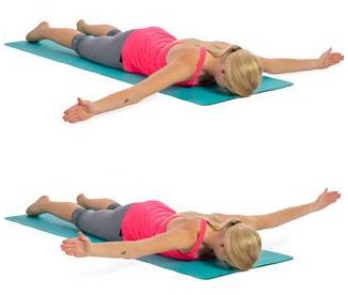
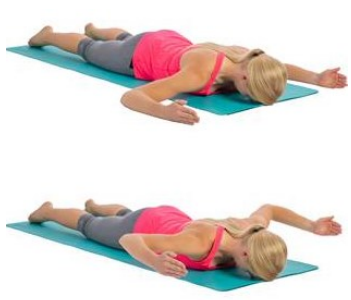
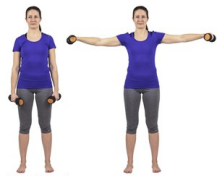
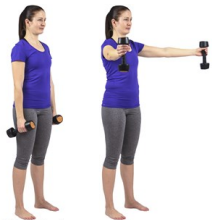
Strength exercises
All these exercises which involve lying down, can be adapted to be done sat in a chair.
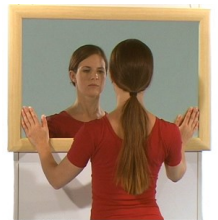


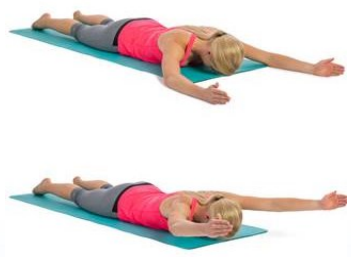

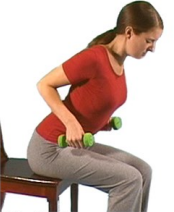
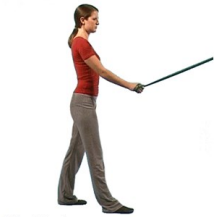
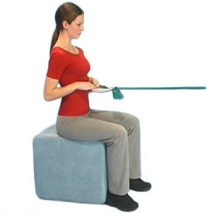

Top tips
Read our top tips about neck pain exercises
- Keep active whilst reducing activities that are aggravating your symptoms, for example, the length of time spent at your desk or the amount of heavy lifting.
- A hot or cold pack can provide short-term pain relief. Apply this to the area for up to 15 minutes, every 3 hours and up to 4 times a day. Ensure it is never in direct contact with the skin.
- Increased levels of stress can cause neck and back pain. Learning to practise relaxation, meditation or mindfulness techniques may be a useful management tool to reduce stress and general wellbeing.
- Pain relief can help manage the discomfort in the short term. Normally painkillers bought from a pharmacist will work. If you have any questions please speak to a pharmacist or your GP.
- Exercise aiming to strengthen and help the way you move in order to return to your normal activities. You do not need to do them all in one go. Try and build them into your everyday activities.
- It is normal for it to take 6 to 12 weeks before you see a good improvement in your pain, movement and strength.
- General exercise can really help your recovery so try to keep going with other activities you enjoy to keep fit. Even a brisk walk can really help.
Need more help?
Consider self referring using the link below
If you have a new injury or problem, please look at the self help information in our advice pages. We will often complete the same exercises and share information in clinic appointments.
If you still need some more help you can self refer into our service. Please note that the NHS is currently experiencing longer than normal waits, for more information visit our waiting times page.

Need more information?
- Healthy You
- How Are You Cambridgeshire and Peterborough
- Neck pain - Patient
- Neck pain - Versus Arthritis