 Easy read and translate



Hip adductor strains and tendinopathies
Understanding hip adductor strains and tendinopathies
There are 3 muscles on the inside of the thigh going from the hip to the knee. They help support you during movement. These muscles may get strained when overworked. They may also develop a tendinopathy. This commonly occurs during or following high intensity exercise such as playing football, especially when moving quickly to the side. However, there are many other ways to get an adductor strain or tendinopathy.
Adductor muscle issues can be painful and lead to reduced movement in the leg. You may find you are not able to perform the activities you usually do because of this. If you have an adductor problem it may be painful when you squeeze your knees together.
Recovery time depends on many factors. Research shows exercises provided by your physiotherapist can make recovery faster. They may also give you more advanced exercises which can decrease the risk of future injury and help you get back to sport. Treatment should always be discussed with your physiotherapist and may include:
- using ice or heat over the muscle
- taking medications such as ibuprofen
- staying active such as walking, swimming, yoga and pilates
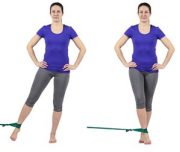
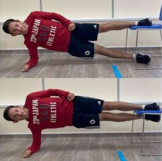
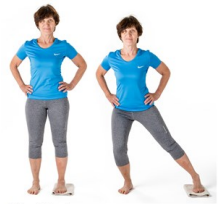
- starting an exercise programme to increase strength and flexibility
Hip exercises
This guidance has been produced by the Dynamic Health physiotherapy service. It offers simple measures to help you manage your hip problem safely. Often, the right advice and exercises are all you need to improve the problem.
This information has been made available to your GP, who may ask you to try the advice and exercises prior to consulting a physiotherapist.
If your hip pain started suddenly after a recent significant injury, for example, a slip, trip or fall, and you are unable to weight-bear, or if you have a hot, swollen hip with a high temperature and fever, please seek urgent medical advice from A&E, minor injuries or NHS 111.
How much exercise should I do?
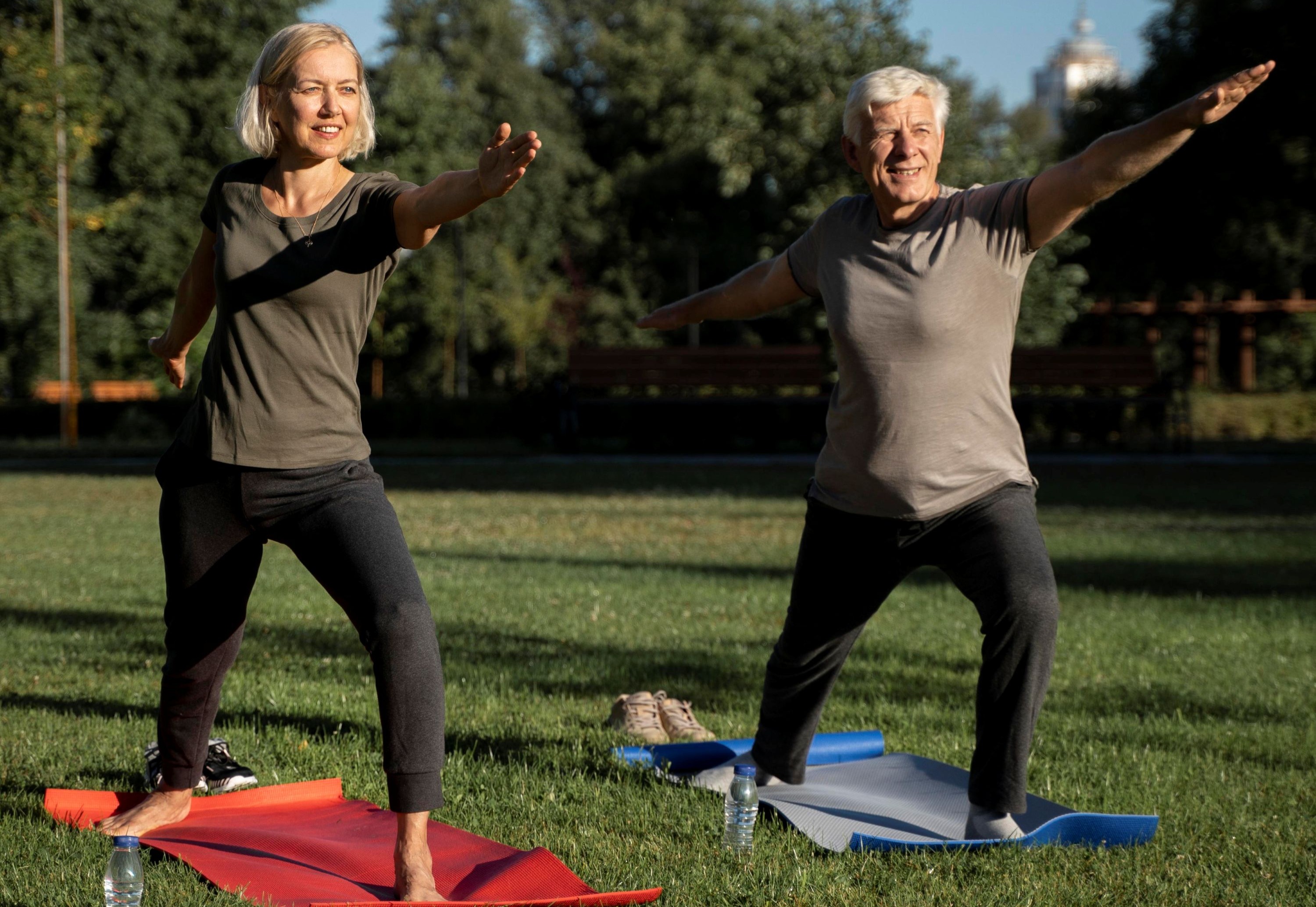
Exercise every other day
Allowing enough rest is important to let soft tissues recover and develop.
Choose 3 or 4 exercises
Choose exercises that are challenging but manageable.
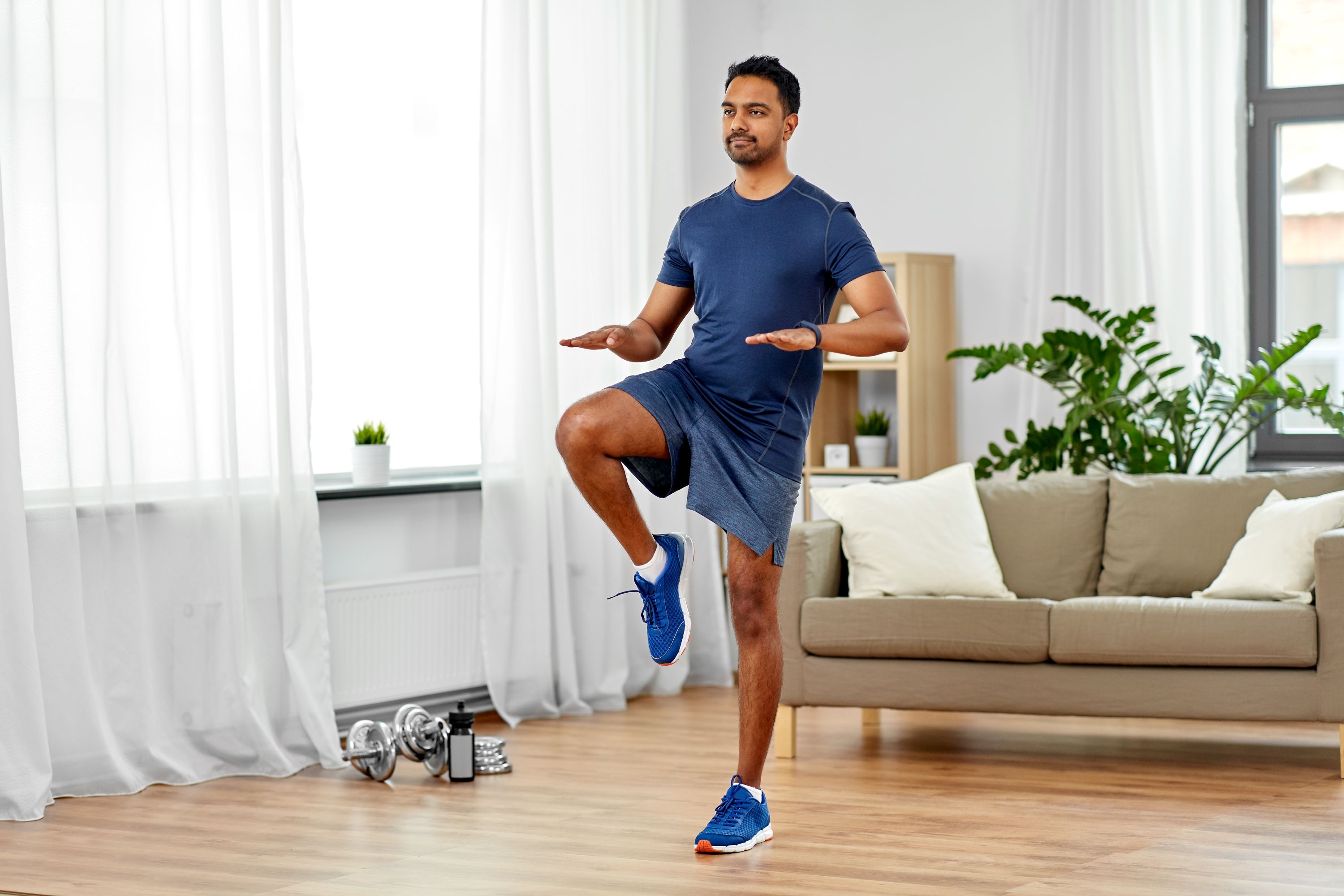
Repeat the exercise
Perform 5 repetitions of each exercise, 5 times a day.

Rest
Rest for up to 1 to 2 minutes between each set.

Once an exercise is easy, progress it
Increase the number of repetitions (you could aim to increase it by 2 to 5 repetitions every 2 weeks). Or hold the positions for longer or move to a more challenging exercise.
How much pain is too much pain?
Before exercising
Before exercising, rate your pain at the moment on a scale of 0 to 10, where 0 is no pain and 10 is the worst pain you can imagine.
A maximum pain level
A maximum pain level of 4/10 whilst exercising is fine as long as it eases within 45 minutes of the session and does not interfere with sleep or activities the next day.
If your pain increases
If your pain increases beyond this, simplify the exercise by reducing the range of movement or number of repetitions, or try an easier exercise.




Need more help?
Consider self referring using the link below:
If you have a new injury or problem, please look at the self help information in our advice pages. We will often complete the same exercises and share information in clinic appointments.
If you still need some more help you can self refer into our service. Please note that the NHS is currently experiencing longer than normal waits, for more information visit our waiting times page.
