 Easy read and translate



Plantar fasciitis
Do you have plantar fasciitis?
Plantar Fasciitis is a cause of pain under your heel. It usually goes in time with the correct self-management. Treatment may speed up recovery. Treatments include rest, good footwear, insoles (orthoses), painkillers and stretching exercises. A steroid injection or other treatments may be used in more severe cases.
Plantar Fasciitis means inflammation of your plantar fascia (although often there is no inflammation involved). Your plantar fascia is a strong band of tissue (like a ligament) that stretches from your heel to your toes. It supports the arch of your foot and also acts as a shock absorber in your foot.
What causes plantar fasciitis?
Repeated small injuries to the fascia (with or without inflammation) are thought to be the cause. The injury is usually near to where the plantar fascia attaches to your heel bone. You are more likely to injure your plantar fascia in certain situations. For example:
- If you are on your feet for a lot of the time e.g. walking, standing, running.
- If you have recently started exercising on a different surface.
- If you have been wearing shoes with poor cushioning, with poor arch support.
- If you are overweight – this will put extra strain on your heel if there is an overuse or stretching of your sole e.g. athletes who increase running intensity or distances.
- If you have a tight Achilles tendon.

Top tips
Read our top tips for improving plantar fasciitis.
- Wear sensible well-fitting shoes, e.g. trainers.
- Pace your activities by alternating activity with rest.
- Do not walk around without footwear or unsupportive footwear e.g flip flops.
- Take the pain medication your GP has prescribed.
- Try an ice pack on your heel for 10 minutes (wrap it in a damp towel to avoid an ice burn). Do not use ice on your foot if you have poor sensation over the area, an infected wound, Raynauds Syndrome, or Cryoglobulinaemia.
How much pain is too much pain?
Before exercising
Before exercising, rate your pain at the moment on a scale of 0 to 10, where 0 is no pain and 10 is the worst pain you can imagine.
A maximum pain level
A maximum pain level of 4/10 whilst exercising is fine as long as it eases within 45 minutes of the session and does not interfere with sleep or activities the next day.
If your pain increases
If your pain increases beyond this, simplify the exercise by reducing the range of movement or number of repetitions, or try an easier exercise.

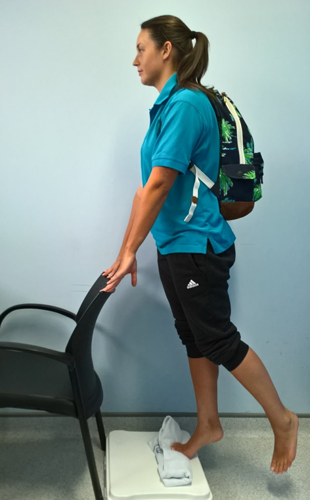
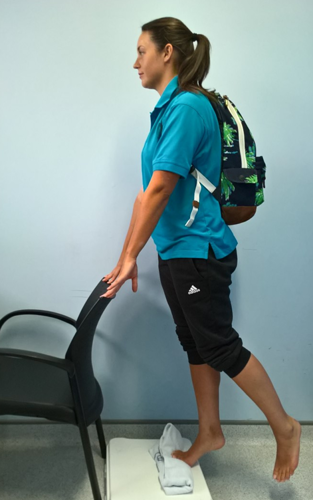
Exercise programme
Your symptoms should have significantly improved if not resolved after this 12 week programme.
If your symptoms have not improved with these exercises, please contact the podiatry team from Cambridgeshire and Peterborough NHS Foundation Trust on 0330 726 0077 or download a self referral form.
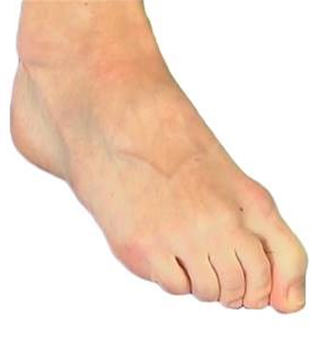
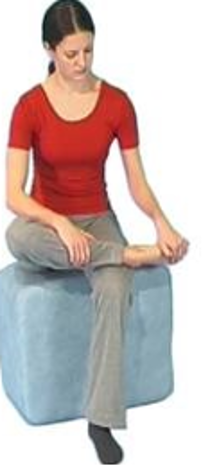
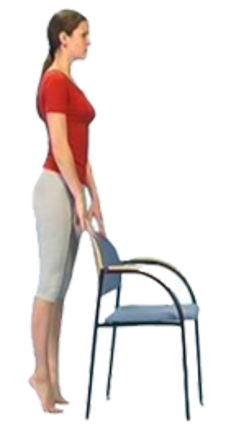
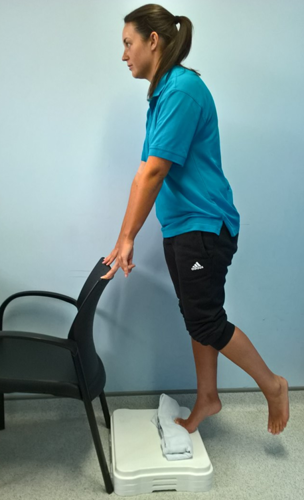
Need more help?
Consider self referring using the link below:
If you have a new injury or problem, please look at the self help information in our advice pages. We will often complete the same exercises and share information in clinic appointments.
If you still need some more help you can self refer into our service. Please note that the NHS is currently experiencing longer than normal waits, for more information visit our waiting times page.
